
The Difference Between Insulation Types and Materials
Understanding the difference between insulation types and materials helps homeowners choose the best options, and local contractors can recommend and install suitable solutions.
Understanding the difference between insulation types and materials is an important step for property owners looking to improve their homes’ energy efficiency and comfort. With a variety of options available, choosing the right insulation can seem overwhelming, but knowing the key distinctions helps ensure the best fit for specific needs and building characteristics. Property owners in the area who are considering insulation upgrades or replacements often explore this topic to make informed decisions that can enhance their property's performance and reduce ongoing energy costs.
Local contractors specializing in insulation services have the expertise to guide property owners through the nuances of different insulation types and materials. Whether it’s selecting the most effective material for a particular space or understanding how various types perform under different conditions, these professionals can help identify solutions tailored to specific property requirements. Continuing to learn about these options can lead to better insulation choices and more successful projects, making it worthwhile for property owners to explore this topic further.
- Attic insulation installation - homeowners considering different insulation types and materials can rely on local contractors to recommend suitable options based on their attic’s structure and climate.
- Basement insulation services - when insulating basements, service providers evaluate the best materials to prevent moisture issues and improve energy efficiency.
- Wall insulation projects - for interior or exterior wall upgrades, local pros assess the appropriate insulation types to enhance comfort and reduce noise transfer.
- Cavity insulation services - during retrofit or new construction, contractors determine the most effective materials for filling wall or roof cavities.
- Soundproofing insulation solutions - clients seeking noise reduction can work with local service providers to select insulation types that optimize sound absorption.
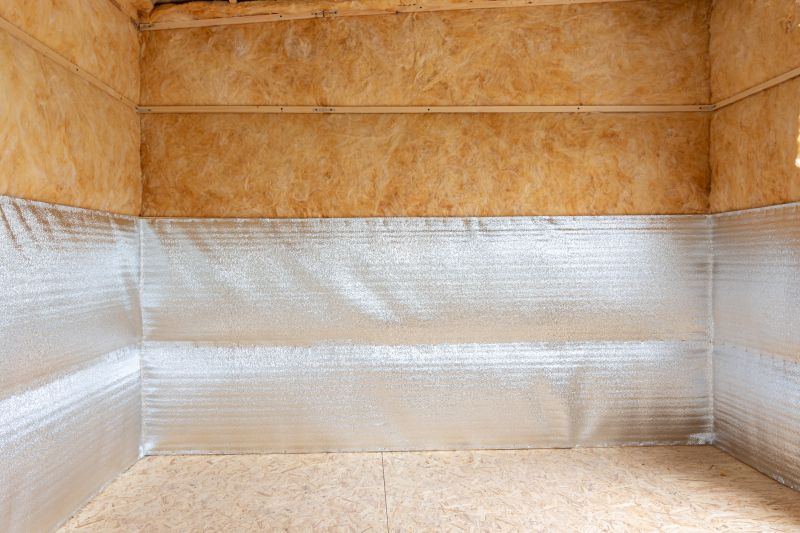
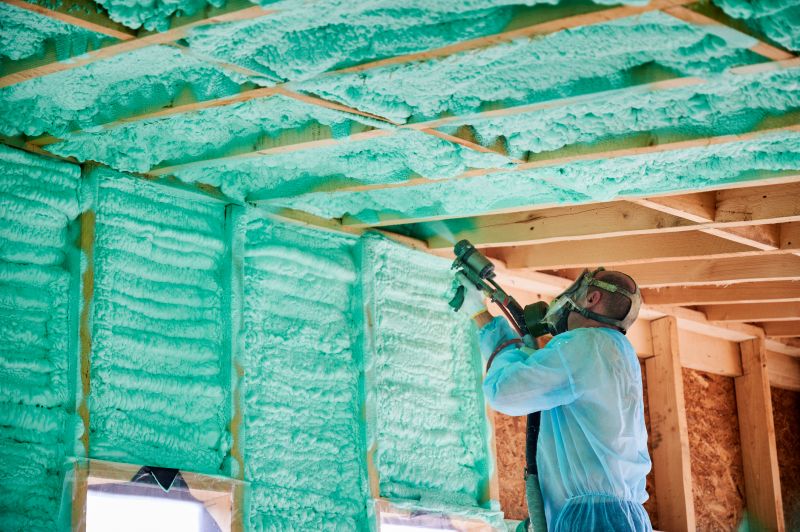

When homeowners search for information about the difference between insulation types and materials, they are often trying to understand which options are best suited for their specific property and project goals. This topic typically comes up during planning for home upgrades, energy efficiency improvements, or new construction. People want to know how different insulation materials can impact factors like thermal performance, durability, and installation process. Understanding these distinctions can help homeowners make informed decisions about which insulation options will provide the most effective results for their space, whether it’s an attic, basement, or exterior wall.
This subject is closely related to various property-related problems and plans. For instance, those looking to reduce heating and cooling costs often explore different insulation materials to find the most efficient solution. Others may be dealing with moisture issues, pests, or noise concerns that influence their choice of insulation type. Homeowners might also be planning renovations or new builds and want to incorporate insulation that aligns with their long-term comfort and energy savings. Local service providers who specialize in insulation can assess these needs and recommend the best materials and installation methods tailored to each property’s specific challenges and goals.
Properties that typically come up in discussions about insulation types and materials include residential homes, multi-family buildings, and light commercial spaces. The size, age, and construction style of a property influence which insulation options are most appropriate. For example, older homes with limited wall space might require different materials than new, well-insulated structures. Attics and crawl spaces are common areas where homeowners seek advice on the best insulation types to improve energy efficiency and comfort. Local contractors experienced in insulation work can evaluate these property characteristics and suggest suitable materials, ensuring proper installation to maximize performance.
Understanding the difference between insulation types and materials helps homeowners connect their project needs with the expertise of local service providers. Whether the goal is to enhance energy efficiency, address moisture problems, or improve soundproofing, knowing the options available can make the decision process clearer. Local pros can guide homeowners through selecting the right insulation material-such as fiberglass, spray foam, cellulose, or mineral wool-based on the property’s requirements and conditions. By working with experienced contractors, homeowners can ensure that the chosen insulation will be installed correctly, providing lasting benefits and aligning with their specific property plans.
Attic insulation installation - local contractors who specialize in attic work often handle different insulation materials and understand their specific applications and benefits.
Basement insulation projects - professionals experienced in basement finishing and insulation can advise on suitable materials to prevent moisture issues and improve energy efficiency.
Wall insulation services - local service providers can help determine the best insulation types for interior or exterior walls based on material properties and project requirements.
Soundproofing and acoustic insulation - experts in soundproofing use various insulation materials, requiring knowledge of their sound absorption qualities and installation techniques.
Duct insulation and sealing - specialists in ductwork insulation understand different materials’ thermal properties and how to properly install them for optimal performance.
Roof and attic ventilation systems - contractors installing ventilation often work with insulation materials to ensure proper airflow and temperature regulation within the building envelope.
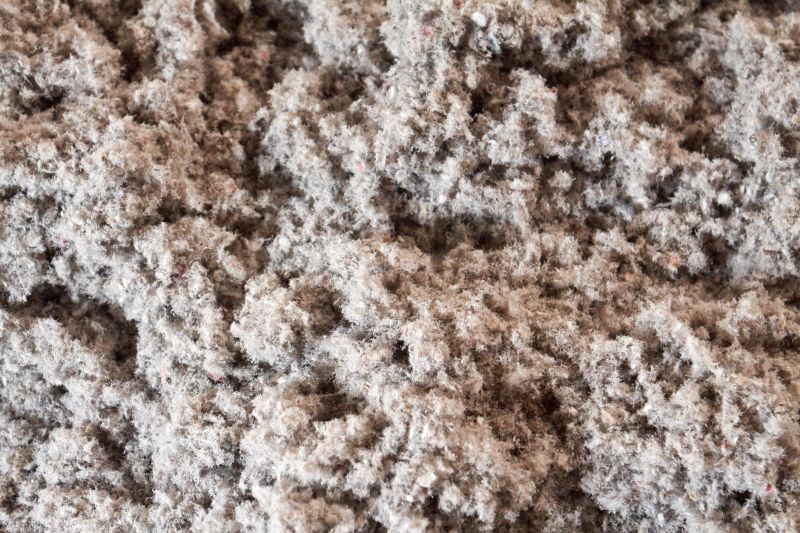
When comparing local contractors for insulation services related to understanding the difference between insulation types and materials, it’s important to consider their experience with similar projects. An established service provider who has handled a variety of insulation installations can offer valuable insights into which materials work best for specific building types and climates. Asking about their previous work can help ensure they understand the nuances of different insulation options, such as batt, spray foam, or blown-in, and how these choices impact energy efficiency and comfort.
Clear, written expectations are essential when evaluating insulation services. Reputable contractors should be able to provide detailed descriptions of the work scope, including the types of insulation they recommend and why. This transparency helps ensure that homeowners understand what will be done, the materials involved, and the benefits of each option. Well-defined expectations can prevent misunderstandings and make the decision-making process more straightforward, giving confidence that the project will meet the homeowner’s needs.
Good communication and reputable references are key factors when selecting local service providers for insulation work. Contractors who are responsive and willing to answer questions demonstrate professionalism and a genuine commitment to customer satisfaction. Additionally, seeking references or reviews from past clients can provide insight into the contractor’s reliability, quality of work, and how effectively they communicate throughout the project. These qualities help ensure that homeowners can work with service providers who are knowledgeable about insulation types and materials and who prioritize clear, ongoing communication.
Property owners often search for the difference between insulation types and materials when they are planning practical projects around their homes and businesses. Local pros provide Insulation Types and Materials services for everyday jobs and straightforward project options.
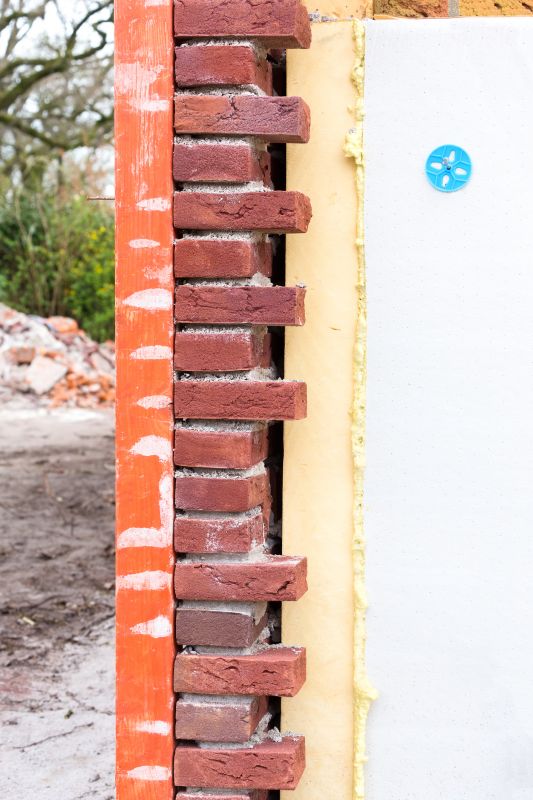
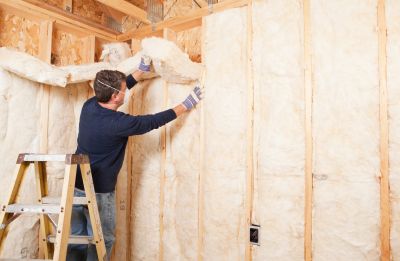
Understanding the difference between insulation types and materials is essential for property owners considering upgrades or new installations. Many are seeking to improve energy efficiency, reduce utility bills, or enhance comfort within their homes and businesses. When researching options, property owners often look for guidance on which insulation materials best suit their specific project needs, whether for attics, walls, or basements. Local contractors specializing in insulation services can help clarify these choices, offering insights into the advantages and limitations of various types and materials to ensure the right fit for each space.
Choosing the appropriate insulation involves considering factors such as R-value, installation method, and the environment in which it will be used. Different insulation materials, like fiberglass, foam, or cellulose, have unique characteristics that impact performance and application. Property owners may seek assistance from local service providers to evaluate their existing insulation, explore suitable options, and ensure proper installation. Connecting with experienced professionals can help make informed decisions that improve comfort and energy efficiency while meeting the specific demands of each project.
What are the main types of insulation used in homes? Common insulation types include batt, spray foam, blown-in, and rigid board, each suited for different applications and spaces within a building.
How do different insulation materials compare in terms of performance? Insulation materials vary in R-value, moisture resistance, and durability, which affects their effectiveness in maintaining temperature and preventing air leaks.
Why should I consider the difference between insulation types and materials when choosing insulation? Understanding the differences helps ensure the insulation is suitable for the specific area, climate, and building needs, leading to better energy efficiency and comfort.
Can local contractors help determine the best insulation material for my project? Yes, local service providers can assess your space and recommend insulation types and materials that match your home's requirements and your goals.
Are some insulation materials better for certain parts of a building? Yes, some materials perform better in specific areas, such as spray foam for air sealing or rigid foam for exterior walls, and local pros can advise on the best options for each part of the building.
Understanding insulation types can help property owners choose the right material for specific areas, such as attics or walls, with the help of local contractors.
Comparing insulation materials allows homeowners to select options that best suit their home's needs and budget, with guidance from local service providers.
Knowing the differences in installation methods helps property owners prepare for projects and understand what to expect when working with local contractors.
Learning about insulation properties can assist in making informed decisions about energy efficiency and comfort, with advice from local insulation specialists.
If you are thinking about the difference between insulation types and materials for a property, this guide is meant to help you understand this topic, the typical project types, and how different options might fit your plans.
When you are ready, you can use the quote form on this page to share a few details about your project. From there, local pros can review the basics and follow up with options that match what you have in mind.