
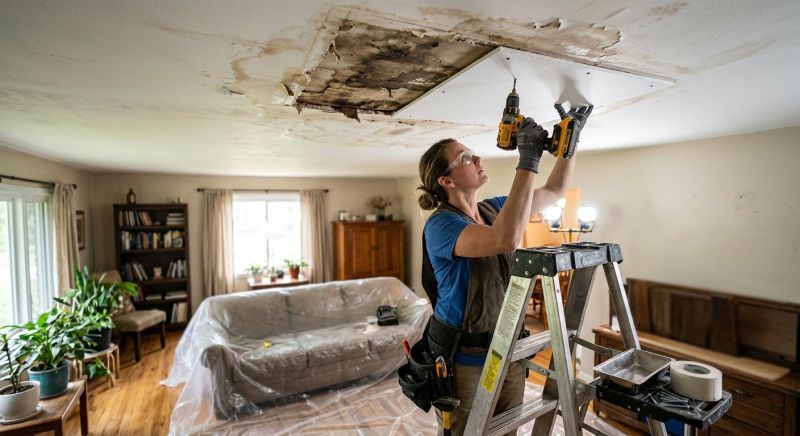
Ceiling Crack Repair in Wilmington, NC
Ceiling crack repair services address visible cracks that develop in a property's ceiling surface, often caused by settling, moisture issues, or structural shifts. These repairs typically involve assessing the extent of the damage, preparing the area, and carefully patching or reinforcing the affected sections to restore a smooth, uniform appearance. Projects can range from small surface cracks to larger, more complex issues that may require additional reinforcement or sealing to prevent future cracking.
Homeowners considering ceiling crack repair usually want to understand the causes of the cracks, the best methods for fixing them, and whether the repairs will be durable over time. It’s also common to inquire about the potential for underlying issues, such as water leaks or foundation movement, that could contribute to cracking. Clear communication about the scope of work and the materials used can help property owners make informed decisions and ensure the longevity of the repair work.
Many property owners in Wilmington, NC look into Ceiling Crack Repair for repairs, replacements, upgrades, and appearance-related improvements.
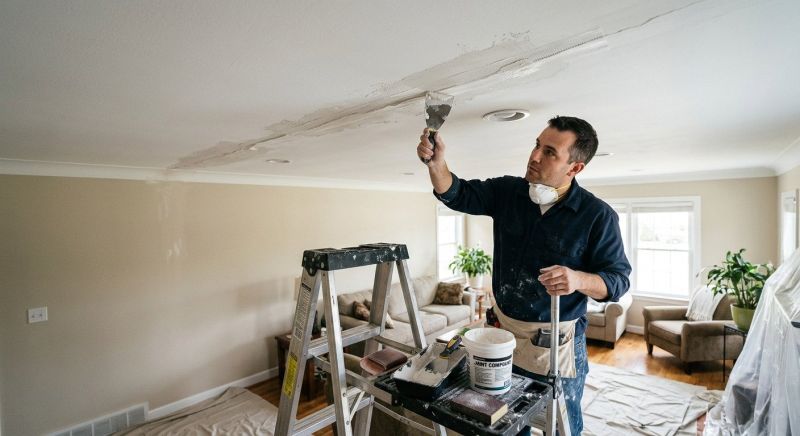
Common Causes Of Ceiling Cracks
Understanding the reasons behind ceiling cracks helps homeowners address underlying issues effectively.
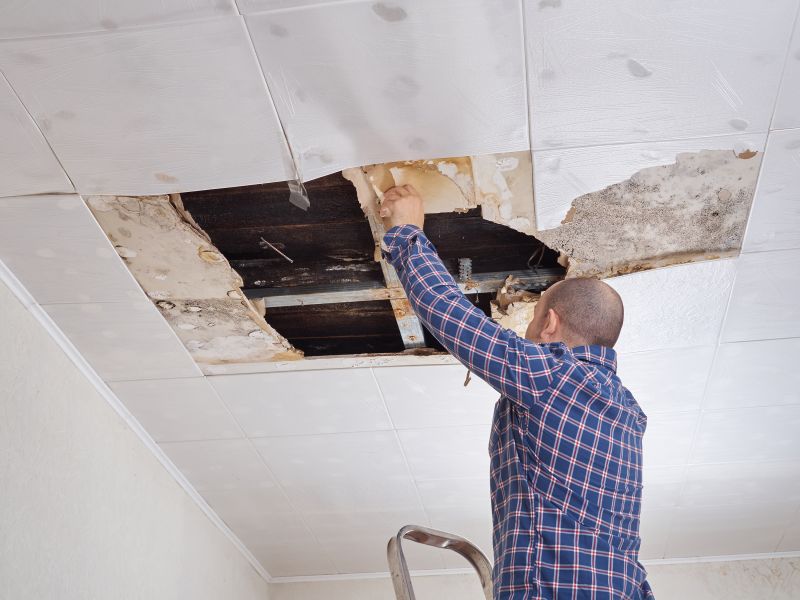
Signs You Need Ceiling Repair
Visible cracks, sagging, or water stains can indicate the need for professional ceiling crack repair.
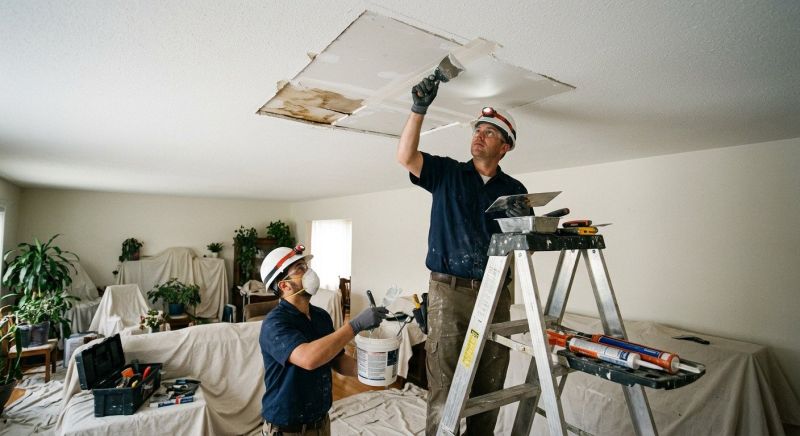
Benefits Of Professional Repair
Expert ceiling crack repair enhances the safety, appearance, and value of homes in wilmington and nearby areas.
Ceiling Crack Repair in Wilmington, NC
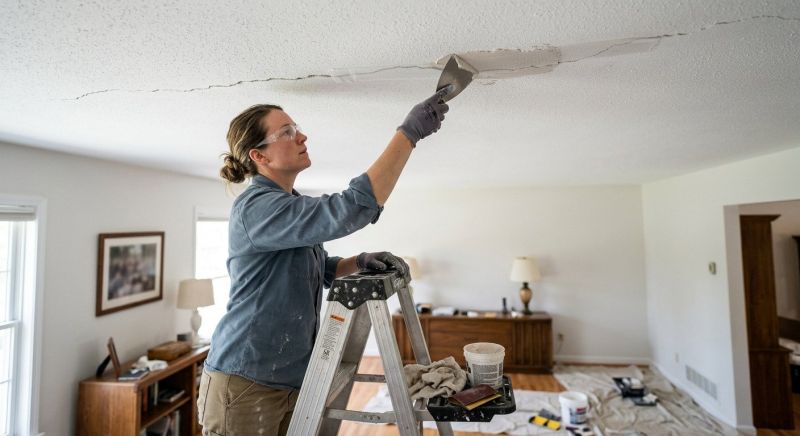
Ceiling crack repair services address visible cracks that develop in a property's ceiling surface, often caused by settling, moisture issues, or structural shifts. These repairs typically involve assessing the extent of the damage, preparing the area, and carefully patching or reinforcing the affected sections to restore a smooth, uniform appearance. Projects can range from small surface cracks to larger, more complex issues that may require additional reinforcement or sealing to prevent future cracking.
Homeowners considering ceiling crack repair usually want to understand the causes of the cracks, the best methods for fixing them, and whether the repairs will be durable over time. It’s also common to inquire about the potential for underlying issues, such as water leaks or foundation movement, that could contribute to cracking. Clear communication about the scope of work and the materials used can help property owners make informed decisions and ensure the longevity of the repair work.
Many property owners in Wilmington, NC look into Ceiling Crack Repair for repairs, replacements, upgrades, and appearance-related improvements.
Common Ceiling Crack Repair Jobs
Ceiling crack repair involves sealing and restoring the surface to prevent further damage.
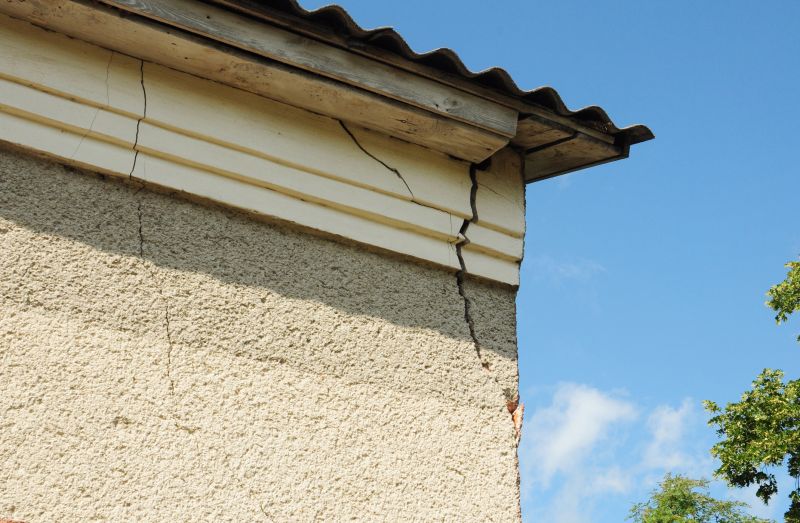
Structural crack repair addresses larger or shifting cracks that may indicate underlying issues.
Hairline crack filling helps improve appearance and prevents dust and debris buildup.
Water-damaged ceiling repair involves fixing cracks caused by leaks and moisture intrusion.
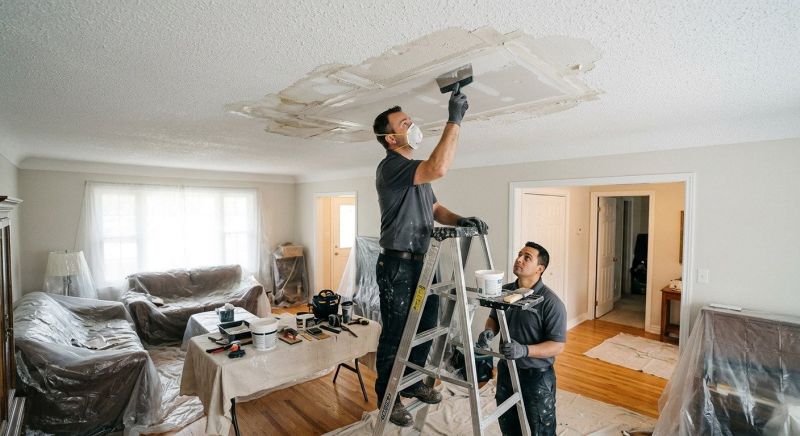
Popcorn ceiling crack repair restores textured finishes while addressing cracks and damage.
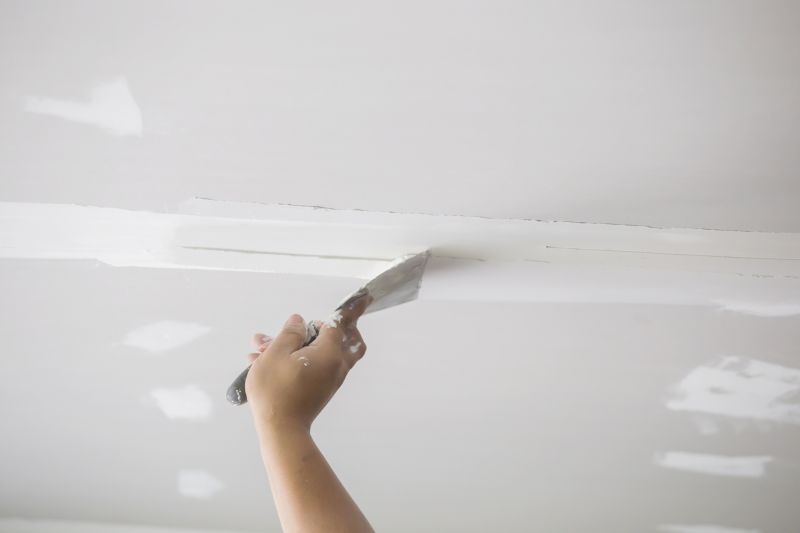
Drywall crack repair ensures a smooth, seamless ceiling surface after cracks occur.
Ceiling Crack Repair Questions
What causes ceiling cracks? Ceiling cracks can result from structural settling, humidity changes, or temperature fluctuations in the home.
Are all ceiling cracks a sign of serious damage? Not necessarily; hairline cracks are common and often cosmetic, while larger or growing cracks may indicate underlying issues.
How can ceiling cracks be repaired? Repairs typically involve filling cracks with joint compound, sanding smooth, and repainting to match the ceiling.
When should ceiling crack repair be considered? Repair is recommended when cracks are noticeable, expanding, or accompanied by other signs of ceiling damage.
Request Ceiling Crack Repair in Wilmington, NC
Use the quote form on this page to share the basics of your project and request more information for the type of work you need.